PWA vs Native ROI for UAE CEOs: Cut Cost, Grow Faster | The Bridge Technology
Discover the real ROI of PWAs versus native apps for UAE companies. Reduce cost, speed delivery, and lift revenue. Book a strategy call with The Bridge…
For UAE leaders, PWAs deliver faster launches, lower total cost, and wider reach compared to native apps. See how a single codebase can lift installs and revenue, with store presence and enterprise grade performance.
Category: Mobile Apps
Key Takeaways
- PWAs deliver a lower total cost of ownership, often a reduction of 40 to 70 percent versus separate native Android and iOS apps plus web.
- Speed to market is faster with one codebase, often within 8 to 12 weeks for a production MVP that is store ready through packaging.
- Install friction is lower since users can add to home screen from web and still find the app in stores, which improves acquisition efficiency.
- Revenue lift comes from better discoverability through search, instant load performance, and fewer drop offs in the first session.
- Maintenance is simpler and cheaper, one release pipeline, shared analytics, and unified testing that reduces regression risk.
- The Bridge Technology builds PWAs that feel native, support offline, push notifications, and can be installed from Play and App Store.
ROI clarity for CEOs in the UAE
When your mobile presence is delayed or fragmented, revenue and brand momentum are left on the table. For leaders in Dubai, Sharjah, and Abu Dhabi, the right decision is the one that balances rapid growth with capital efficiency. Progressive Web Apps offer a single codebase that behaves like a native app, supports offline use, and can be published to Google Play and Apple App Store through a light packaging step. The result is a direct path to measurable return on investment.
Think in terms of three levers: acquisition cost, conversion, and lifetime value. A PWA impacts all three. It removes store friction for first touch, keeps load times snappy even on spotty networks, and delivers updates to every user at once with no manual updates required.
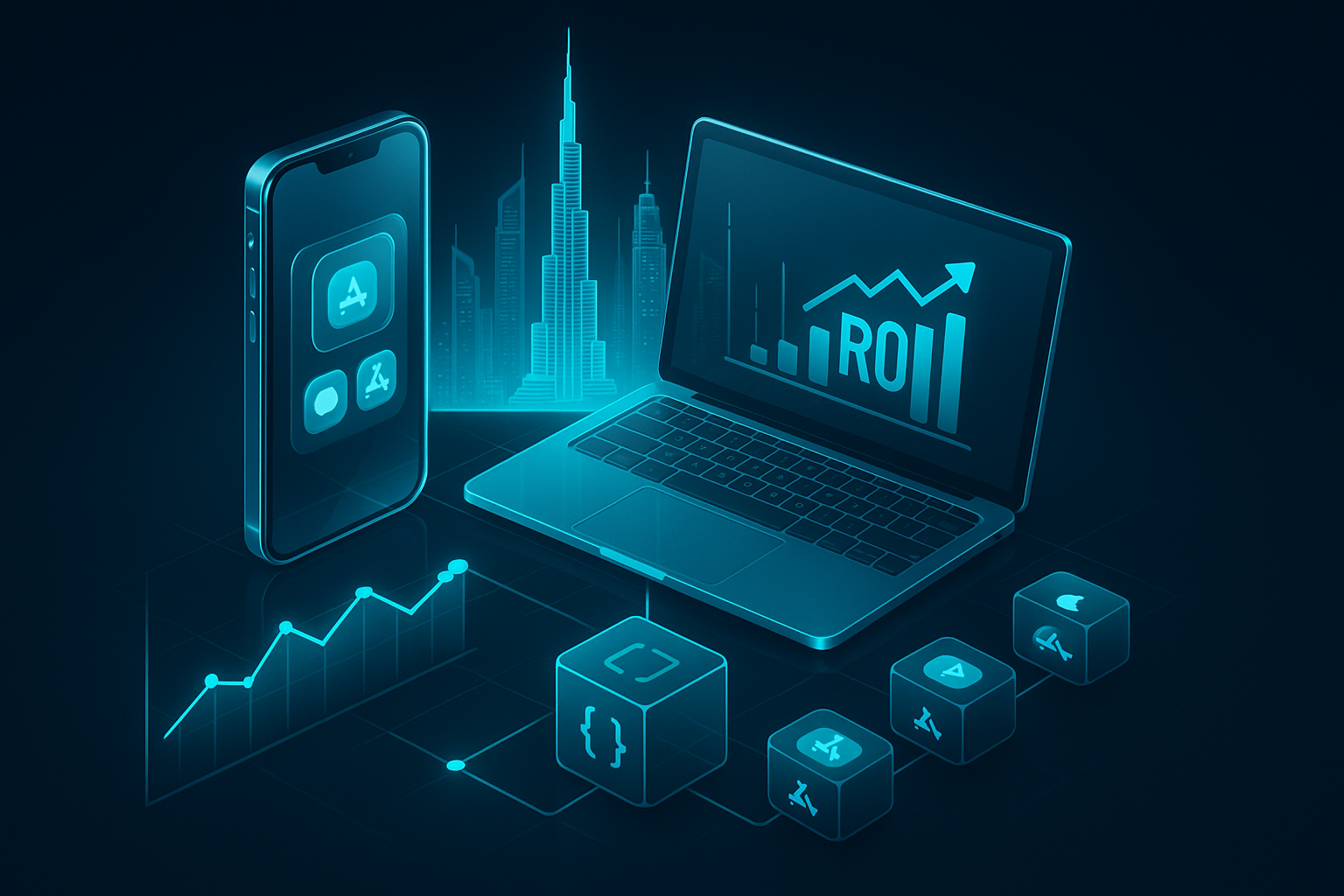
Cost model: where PWAs win on total cost
Total cost of ownership is where many native programs go over budget. Two platforms means two teams, two build pipelines, and twice the rework each quarter. A PWA consolidates this into one modern stack with one delivery cadence.
Build cost
- Native approach: separate Android and iOS builds plus a responsive website. This often requires three codebases and three skill sets.
- PWA approach: one codebase that serves web users instantly and can be packaged for store presence. Engineering and QA effort is concentrated, not duplicated.
Maintenance and updates
- Native: parallel releases, app review cycles, user update delays, and version fragmentation that grows support work.
- PWA: instant updates for all users, one regression suite, one analytics view, and lower infrastructure spend due to edge caching and lighter binaries.
Hidden costs that drain ROI
- Acquisition leakage from store search that does not match your brand keywords.
- Rejections or delays due to policy changes, especially during peak sales periods in the UAE retail calendar.
- Marketing operations spread across multiple product pages and tracking systems.
With The Bridge Technology, our Website Development and App Development teams operate as one unit, which compresses delivery time and eliminates redundant spend. The same components power both the web experience and the installable package you can ship to stores.
Revenue impact: reducing friction, raising conversions
First session success predicts long term revenue. Every extra tap before value is a risk. PWAs shine here. A user can discover your experience on search or social, open instantly, add to home screen, and start transacting in seconds. You still gain store visibility by submitting the packaged PWA, so you cover both discovery paths with one product.
Performance that pays
- Instant load reduces bounce, which matters on regional networks and traveler roaming during events like Dubai Shopping Festival or major exhibitions.
- Offline and low connectivity support keep carts alive during metro commutes, malls with congested networks, and desert site visits.
- Push notifications work across platforms, including recent iOS support, which boosts re engagement for offers and replenishment.
Discoverability and SEO compound
Unlike closed stores, the open web indexes every product page and campaign landing page. That means your catalog, menus, or booking flows can rank on search engines and convert on first visit. Our Digital Marketing specialists amplify this with structured data, speed budgets, and content strategy that pushes more qualified traffic into your funnel.
UAE examples: what success looks like
Retail and eCommerce in Dubai
A multi brand fashion retailer in Dubai replaced a slow responsive site and deferred native project with a PWA. Time to MVP was 10 weeks. Day one load time dropped under two seconds. Add to home screen adoption reached 28 percent of repeat visitors within the first month. Checkout completion improved by 22 percent. The business avoided two extra mobile hires and saved about half of the original app budget.
Food ordering in Sharjah
A popular quick service chain built a PWA menu and ordering flow with curbside pickup. On weekends with heavy footfall, the PWA handled spikes without store throttling. Customers could re order from the home screen even with spotty coverage. Basket size rose 14 percent and coupon redemption climbed since notifications landed reliably across devices.
Industrial B2B in Abu Dhabi
A distributor selling parts to field engineers deployed a PWA with offline catalogs and QR scanning. Technicians onboarded in one hour sessions using their own phones. Order errors fell 30 percent, and support tickets dropped as the PWA updated itself with every release. The company kept a minimal device policy since any compliant browser worked.
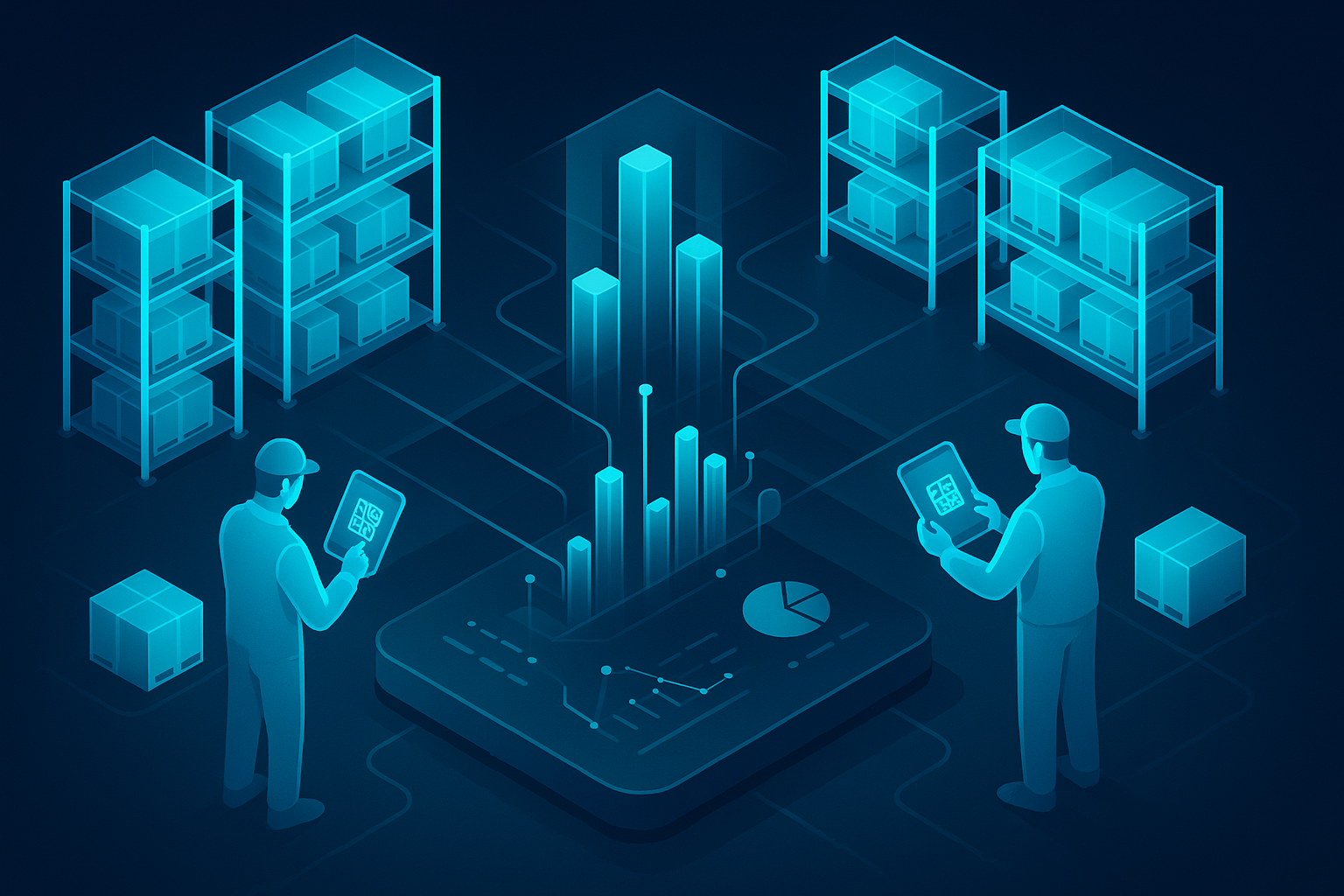
Capabilities checklist: can a PWA meet native expectations
- Installable and full screen with app icons, splash screens, and deep links.
- Push notifications on Android and iOS, with granular opt in flows that respect privacy.
- Offline and background sync for carts, forms, and catalogs.
- Camera, location, file uploads, payments including Apple Pay and Google Pay where supported.
- Secure authentication with biometrics through device prompts where available.
For features that need deep native access, such as high end Bluetooth profiles or heavy augmented reality, we can deliver a hybrid strategy. Your PWA remains the core product. A focused companion module or a packaged wrapper can expose the few native capabilities you need without splitting the entire codebase.
ROI math you can take to the board
Use a simple frame to compare paths:
- Acquisition: model installs or first sessions from web search, paid media, and store discovery. PWAs convert earlier since no store gate blocks the first try.
- Conversion: track first to second session and time to transaction. Measure the effect of instant load and offline recovery.
- Retention: push notification opt in, re order rate, and churn at 30 days.
- Cost: engineering headcount, infrastructure, app store fees, marketing operations, and support load.
- Speed: weeks to MVP and weeks per feature. Faster cycles raise net present value by pulling revenue forward.
ROI equals net benefit divided by total investment. When one product feeds all channels, the numerator grows and the denominator falls. That is why PWAs often deliver a superior return in the first year, not just over the long term.
How The Bridge Technology delivers results
We specialize in PWAs that look and feel native, with the added advantage of store distribution. Our team ships a unified codebase, production observability, and enterprise integrations into ERP, POS, or CRM systems common in the region. Explore Our Portfolio to see outcomes across retail, F&B, government services, and industrial clients.
Beyond build, we bring growth expertise. Our AI Solutions power product recommendations, dynamic pricing guidelines, and fraud checks. Our Advertising and Social Media teams build full funnel campaigns that match your new acquisition paths. And our Support plans keep your product stable through traffic surges and seasonal peaks.
Implementation roadmap for predictable ROI
- Audit and objective setting: align on revenue targets, cost ceilings, and delivery milestones.
- Experience blueprint: define core journeys, performance budgets, and install prompts that feel natural.
- Technical architecture: one PWA codebase with packaging for Play and App Store submission.
- Integration plan: connect catalog, payments, loyalty, and analytics with clean data contracts.
- Release and learn: launch in weeks, measure across acquisition, conversion, and retention, then iterate.
- Scale: add features and new markets without platform splits or duplicate teams.
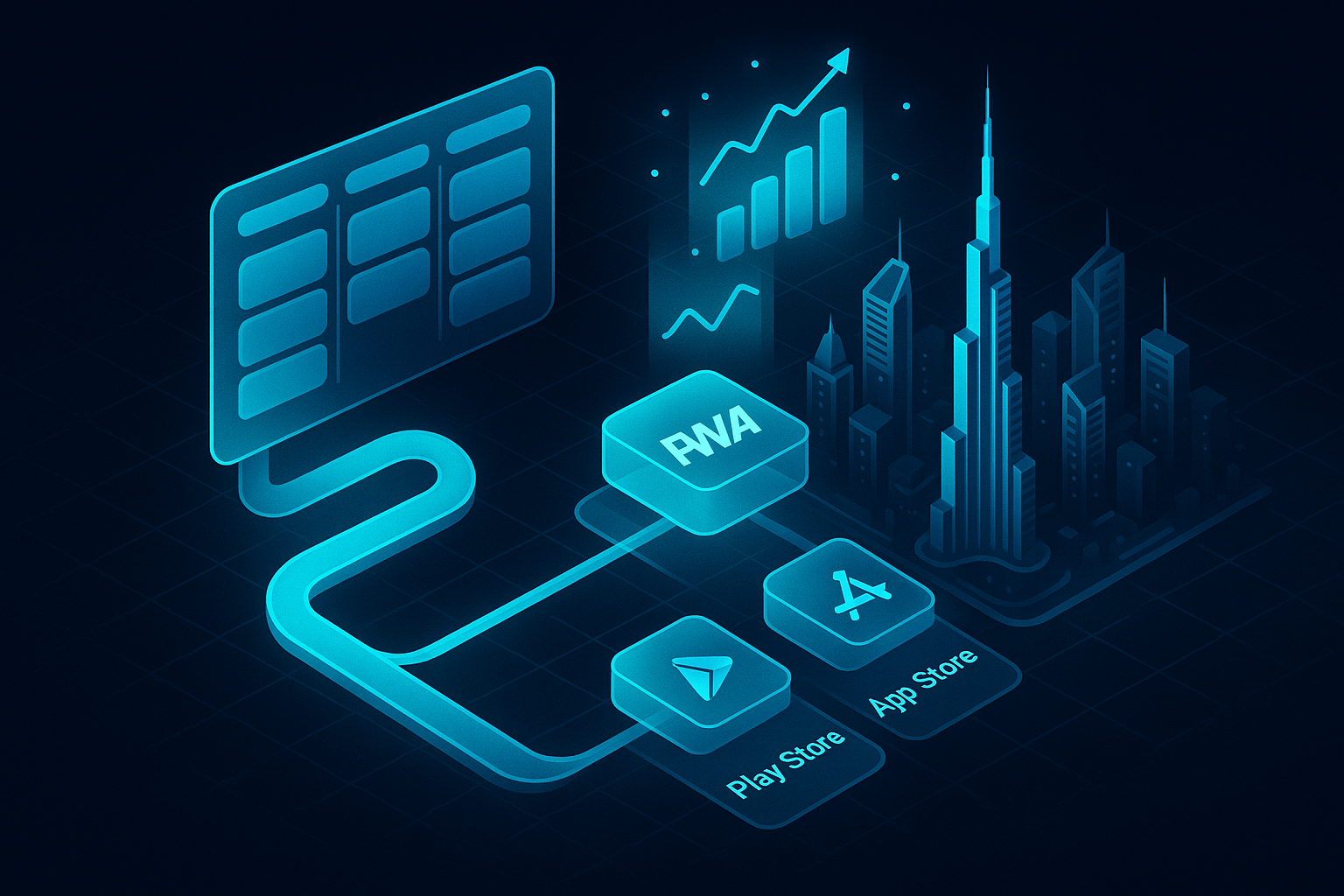
When native may still be the right call
Some categories benefit from full native only stacks. Example cases include graphics heavy gaming, camera first creative tools that rely on deep device APIs, or features tied to specific car systems. Even in these cases, a PWA can support marketing pages, onboarding, and light account management to reduce native scope and bring search traffic into your ecosystem.
The verdict for UAE businesses
If your goal is faster growth with tighter budgets, a PWA centered strategy is usually the superior ROI choice. You get near native performance, store presence, instant updates, and unmatched discoverability in one product. For most retailers, F&B groups, service marketplaces, and B2B sellers in the UAE, this is a practical path to scale without carrying duplicate platform costs.
Ready to compare numbers for your own brand and see a build plan that pays back quickly? Reach out to The Bridge Technology. We will map your target metrics, propose a crisp delivery schedule, and assemble the components that move the needle.
Contact Us to start your ROI sprint today.
Keywords: PWA ROI, native apps cost, UAE digital strategy, progressive web app, mobile conversion UAE, app maintenance savings, PWA vs native